


 36 / 44

K
nowledge Retention Strategy, a part of
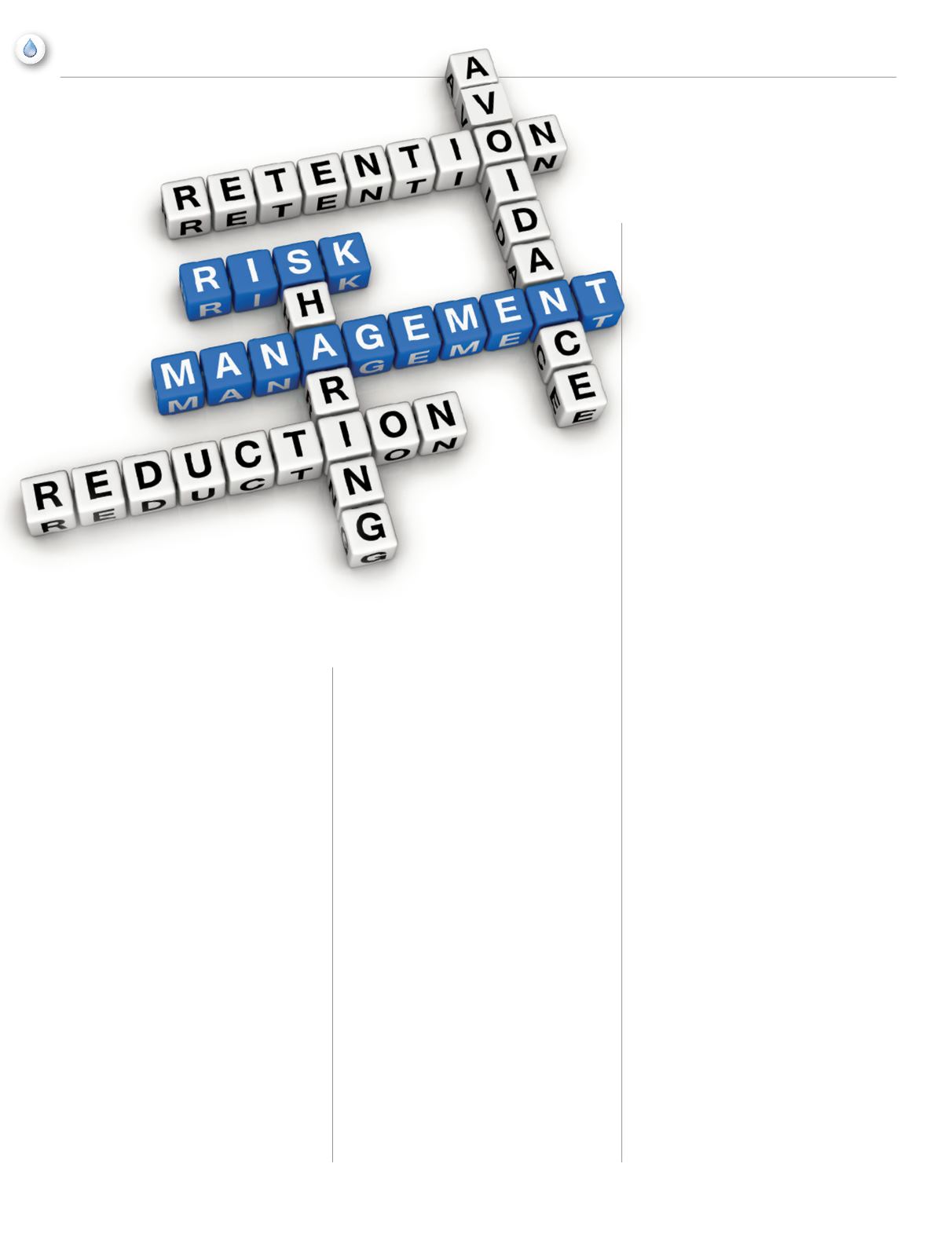
Knowledge Management (KM), identifies
knowledge resources within an organization
that may be at risk. These knowledge
resources need to be retained so specific
initiatives must be implemented to keep
them within the organization. Like most
other KM related processes and strategies,
success depends upon successful knowledge
sharing and having a knowledge sharing/
learning organizational culture.
Below are examples of tools and
techniques which can be used
specifically for Knowledge Retention.
• Implementing reward structures to
encourage sharing of key knowledge
• Use of project teams and cross-
functional project teams
• After-action reviews
• Storytelling
• Mentoring programs & job shadowing
• Interviews & exit interviews
• Job rotation
• Company procedures/processes manuals
• Taking advantage of the knowledge
of retirees
Transfer of Knowledge:
Subject Matter Expert
A Subject Matter Expert (SME) is an
individual who exhibits the highest level
of expertise in performing a specialized
job, task, or skill within the organization.
Although this is the primary resource for an
organizations transferring work processes
and job knowledge, there is an inherent
danger of passing on inaccurate or outdated
work practices and controls.
Numerous studies have been conducted on
the transfer of knowledge to include the
relationship between the SME and a trainee.
Studies have shown that most trainees retain
approximately 80% of the SME’s teachable
knowledge. Unfortunately the trainee, in
By Tony J. DuBois, SCRWA Training Coordinator
Knowledge
Retention Strategy
most cases, is not allowed sufficient time
to obtain the other 20% of the SME’s work
knowledge and skill-sets before they become
an SME themselves.
This slow but very distinct reduction in
work knowledge and skill-set over a short
period of time can very quickly effect the
organization’s ability to conduct industry
standard work practices and national
safety (OSHA) work controls. Too often
organizations assume that, due to the level of
skill sets, work practices and controls have
not diminished over time. But in reality most
organization’s SMEs are only operating at
a 40-60% level of national standards. Thus,
the transfer of knowledge to a new trainee is
greatly diminished again.
In order to safeguard against passing down
inaccurate or outdated work practices and
safety work controls, it is imperative that
the SMEs are allowed to train and develop
their own skill-set that meet national and
industry standards. Organizations need to
seek out high level training programs and
modules to test their current SME’s level
of work knowledge and skill-set so a base
line of training strategy is created. This will
ensure that the SME’s skills, work practices
and work controls are at the highest level of
expertise and a trainee can capture 80-90%
of the SME’s knowledge.
Nationally, public utility organizations
are experiencing a high rate of employee
turnover due in large part to an aging work
force/retirement. North Carolina Rural Water
Association is a great resource to provide
organizations on-site training, ensuring
that when the transfer of work knowledge,
skill sets and/or safety work procedures are
passed on, it is done at the highest national/
industry level.
34
NCRWA.COM|
Spring 2016
feature